

Siliguri, on India’s eastern corridor, had humble beginnings. The settlement on the Himalayan foothills began as a small village, a part of the kingdom of Kamtapur that stretched from present-day Cooch Behar in West Bengal to the western parts of Assam. Over the centuries, the area was influenced by those of the Koch, Mughals and Ahoms. The city grew prosperous during the rule of the Bengal Sultanate and later the Mughal Empire.
It was part of the Sikkim kingdom but came under the expansive Kingdom of Nepal for a brief period before it was assimilated into the British East India Company’s North-eastern expansion in the late eighteenth century. In 1777, Nepal had appropriated a large part of Sikkim, including the Darjeeling district, but the Treaty of Sugauli in 1816 brought these areas under British rule.
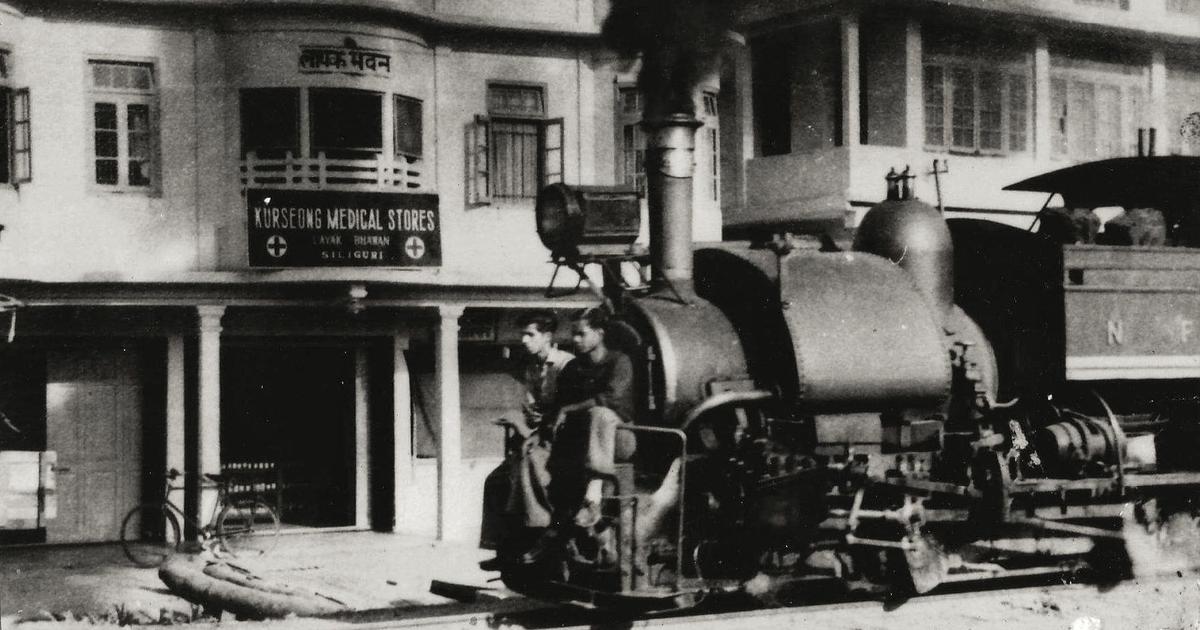
Siliguri grew into its contemporary shape during the British colonial period due to its strategic location. The railway proved crucial. In 1881, the Siliguri Town Station connected Siliguri with Darjeeling. By then, Darjeeling, established in 1838, had become “a sentinel over the plains of Bengal in India” where Europeans fled from the discomfort and illness of the plains”. In 1881, the Darjeeling Hills Railway (DHR) “steamed out its first...
from Scroll.in https://scroll.in/article/1089052/a-new-book-studies-how-west-bengals-siliguri-became-an-important-corridor-on-indias-eastern-border?utm_source=rss&utm_medium=public https://sc0.blr1.cdn.digitaloceanspaces.com/article/211322-olxfshgyfi-1767665870.jpg
via



0 Comments