

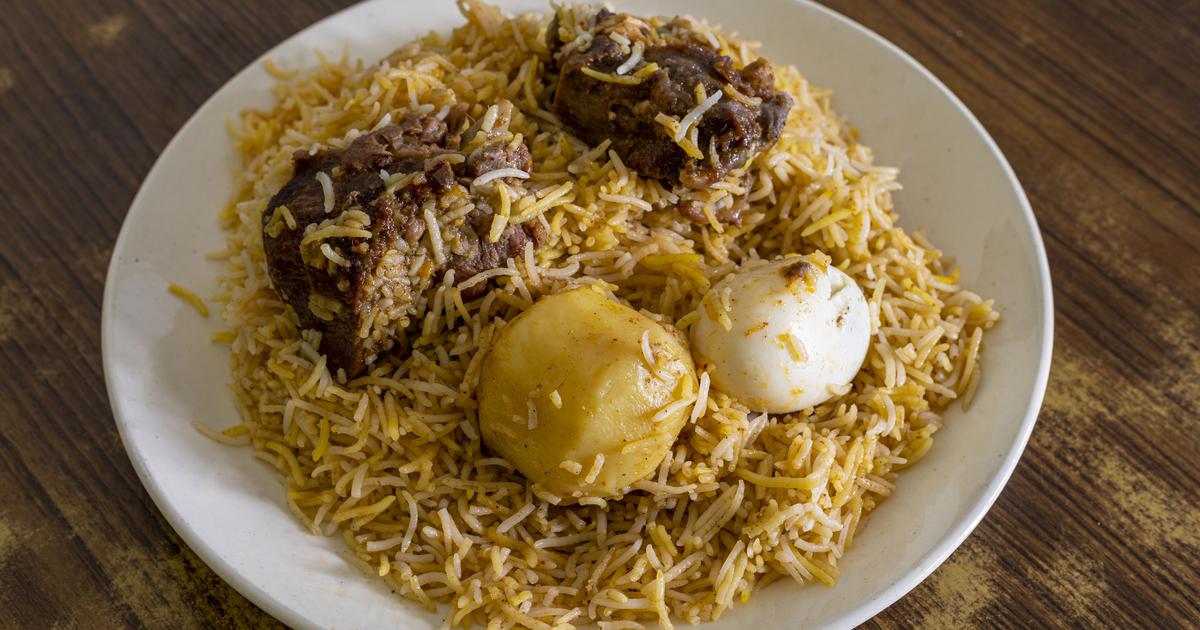
From the chaotic arteries of Shyambazar to the manicured lanes of Salt Lake, and even beyond, when walking down streets in Kolkata and its suburbs, the air smells different. The sharp, pungent notes of mustard oil, once the undisputed sovereign of Bengali air, is fast retreating, confined to kitchens of homes.
On the road, outside metro stations, near college gates, at bus stands, another scent dominates: the narcotic perfume of meetha attar, saffron, birista or onions fried crisp, ghee and meat.
Over the last decade, Kolkata has witnessed a culinary coup. Traditional pice hotels, with their clattering metal thalis and temperamental fish curries, have been displaced.
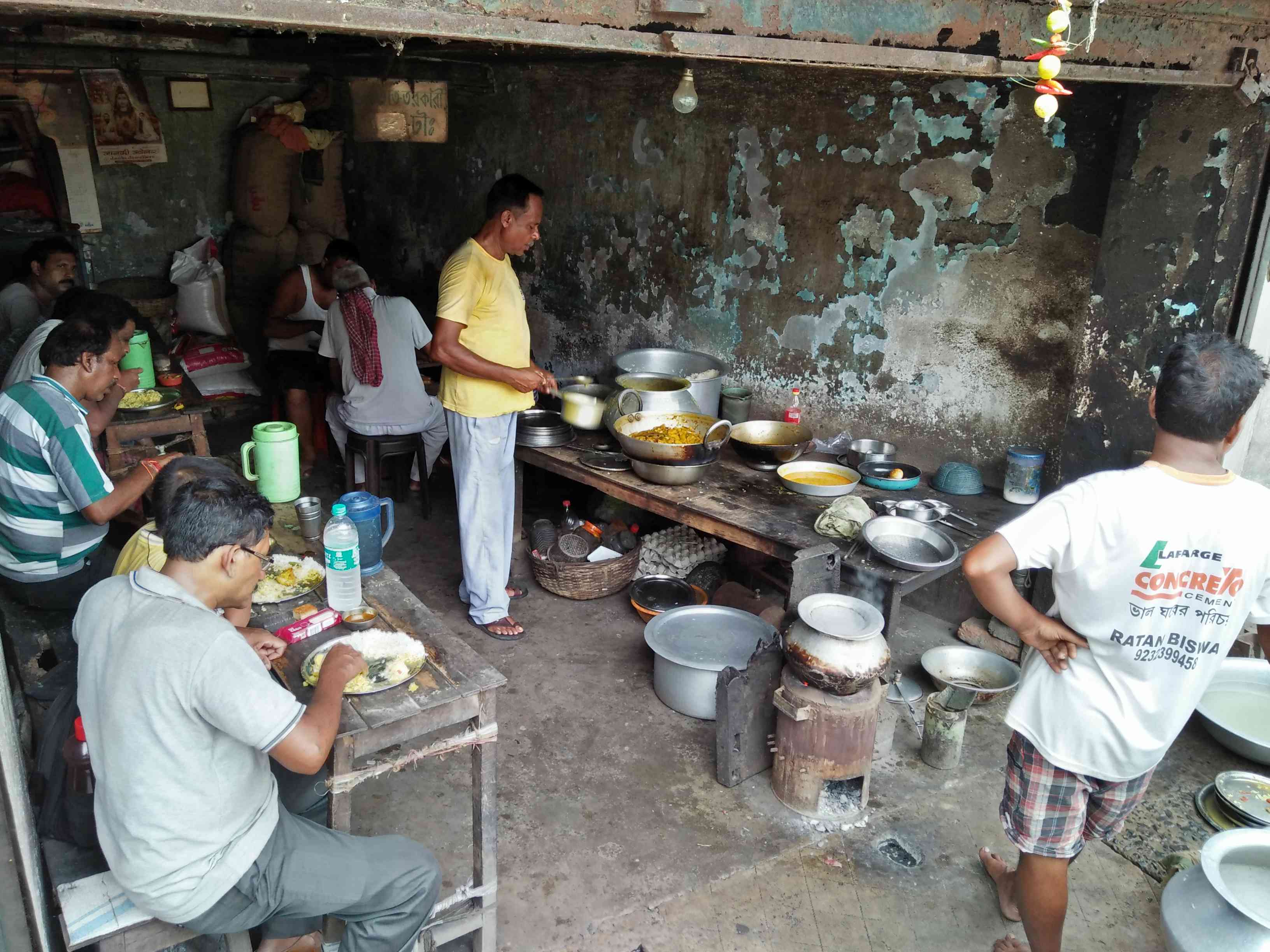
That world has been crowded out by something portable and predictable. The new king is a foil packet, sweating grease, containing a generous helping of yellow rice, a piece of meat and the true monarch of Kolkata’s version of biryani – the potato.
Kolkata’s biryani has always been worshipped by the food lovers of the city. But it has been a dish that the ordinary middle-class would savour on “special occasions”. The sudden “biryani-fication” of Kolkata is more than a change in taste preferences. On closer look, it offers a fascinating case study in economics, logistics and perhaps even the politics...
from Scroll.in https://scroll.in/article/1090555/saffron-wave-what-kolkatas-biryani-obsession-says-about-economics-and-food-politics?utm_source=rss&utm_medium=public https://sc0.blr1.cdn.digitaloceanspaces.com/article/211902-ahqzgndyvq-1770708424.jpg
via



0 Comments