

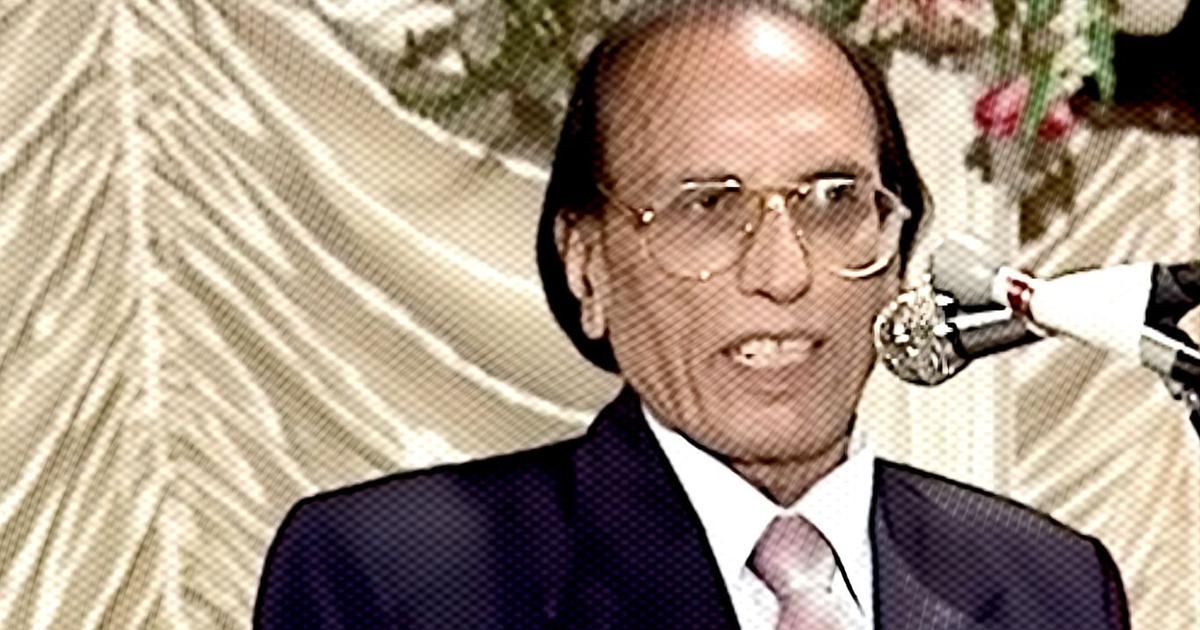
On May 28, 2026, the last of the progenitors of modern Urdu poetry, Bashir Badr, left the grand mushaira of the living and took his place among those forbears of his whom he had once remembered thus:
“vo itradaan sa lehja mere buzurgon ka
rachi basi Urdu zabaan ki khushbu”“a bottle of perfume, my forefathers’ tongue
the fragrance of Urdu suffusing through it”
Changing the language
Like any great poet, Badr expressed his deep love for the language he had received as patrimony by changing it irrevocably. His 1985 collection Aamad contains a prefatory note titled “A letter to the ghazal reader of the year 2035” in which he wrote: “In 1955 I became convinced that the foundation of the ghazal should be placed not just on the guilelessness of emotions but on the living and changing power and elegance of language.” Given that he greatly admired Mir, for whom transcendental love was a great theme, and Ghalib, whose work often deals with metaphysical concerns as complex as the language in which they are presented, this line presents the kind of parricide without which the new cannot be ushered in.
This is not to say that demotic language was not widely used in the past, nor is it to say that emotional directness was...
from Scroll.in https://scroll.in/article/1093208/emotional-directness-common-mans-language-what-made-urdu-poet-bashir-badr-1935-2026-great?utm_source=rss&utm_medium=public https://sc0.blr1.cdn.digitaloceanspaces.com/article/213684-dftteyyxsj-1780118977.jpeg
via



0 Comments