

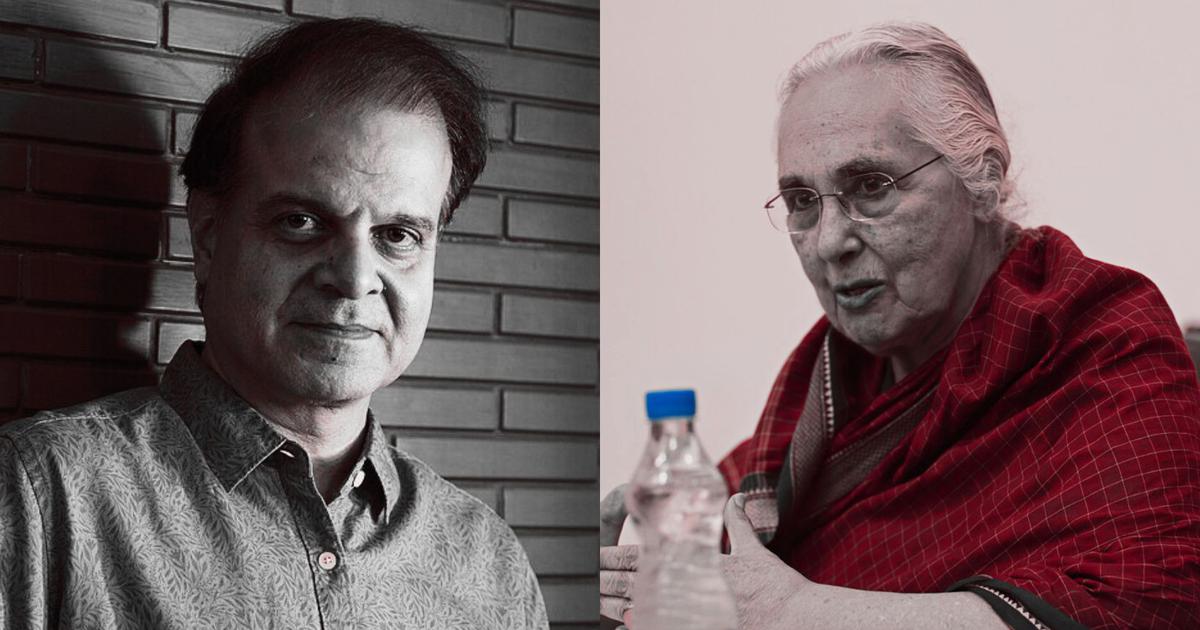
In a conversation with Scroll, Historians Romila Thapar and writer Namit Arora talk about their book Speaking of History: Conversations about India’s Past and Present. They discuss how historical knowledge is produced and why method matters, the discomfort with ambiguity in public understandings of the past, and the ways in which political and cultural pressures shape historical narratives.
The historians also spoke about the limits of evidence in recovering non-elite histories, the changing meanings of terms such as “Hindu” and “Sanatan,” and the challenges of writing and communicating history in an age of social media and artificial intelligence.
Excerpts from the conversation:
Speaking of History foregrounds method over conclusions. To what extent was your aim to shift readers away from received certainties towards asking better questions about the past? And how might we understand the broader discomfort – particularly in India – with ambiguity and the coexistence of multiple valid interpretations in history?
Romila Thapar (RT): The aim was not so much to shift readers away from received certainties, but to encourage familiarity with the methods through which historical knowledge is produced. Academic historians rely on the historical method to analyse sources and to describe or explain a historical situation. The general reader should have some sense of what this method involves.
After all, history is...
from Scroll.in https://scroll.in/article/1092476/making-procedures-visible-helps-clarify-how-historical-interpretations-are-formed-romila-thapar?utm_source=rss&utm_medium=public https://sc0.blr1.cdn.digitaloceanspaces.com/article/211082-zmvpdjaiuf-1766295717.jpeg
via



0 Comments