

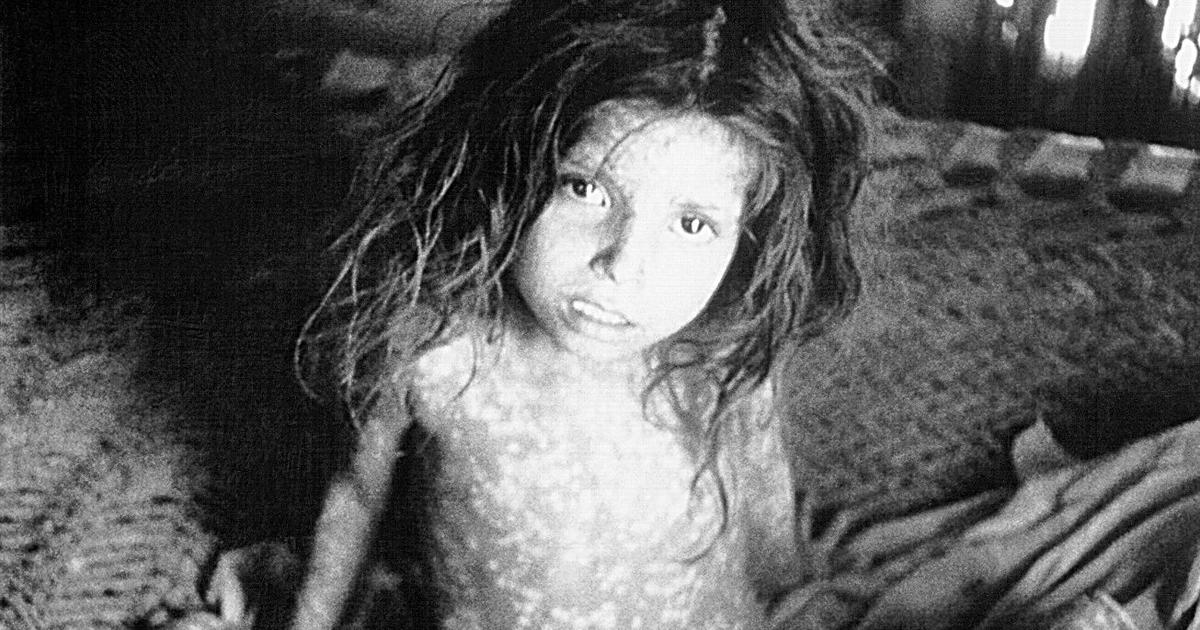
As we know, the fear of contagion predominated most British reports of infectious diseases in India. The tropical climate of the subcontinent was blamed once again and the dangers of the “miasmatic emanation” were discussed frequently. As sanitary improvements were introduced under the colonial regime, reflecting the hygiene consciousness of the mid-19th century in Europe, the dread of the miasmatic towns of India intensified, leading to the increased focus on social class as a determinant of smallpox. In fact, poverty was discussed as a key element; it became an important factor in the epidemics. Consequently, the filthy habits of people, yet again, acquired prominence in the diagnosis and treatment of the disease.
Unfortunately for the British, while cholera and later plague were assigned to filthiness, smallpox did not particularly favour the black towns or the overcrowded chawls in the big cities. Once it struck, it quickly spread through the towns and villages alike, apparently without distinguishing between race and class. Still, administrative reports of the 19th century denounced the ignorant people of India for not being hygienic, and for dwelling in insanitary conditions, especially for living in “credulity and childish ignorance”. Given that miasmas continued to be blamed for contagion well into...
from Scroll.in https://scroll.in/article/1094968/how-illnesses-like-smallpox-in-colonial-india-exposed-britains-myths-of-control-and-invincibility?utm_source=rss&utm_medium=public https://sc0.blr1.cdn.digitaloceanspaces.com/article/215016-eztnsvllqw-1786521664.jpg
via



0 Comments