

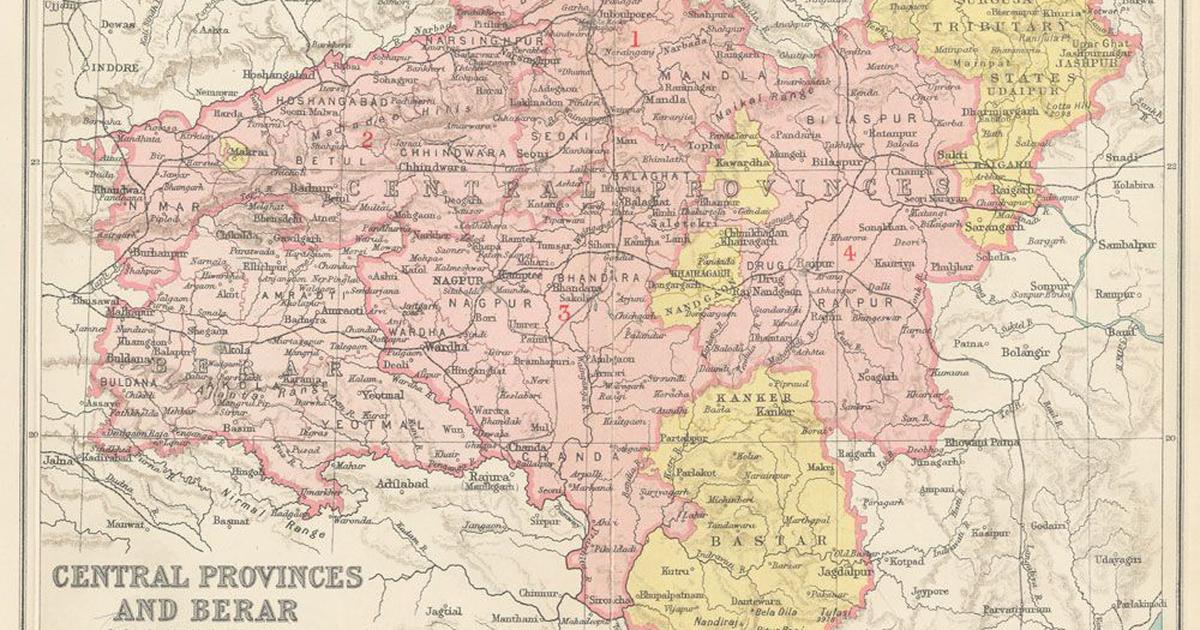
Abujhmad, a captivating expanse of hills, woods and streams, holds a special place in the contemporary history of Bastar. One of the first journalist–researchers to explore this region was Ramesh Chandra Roy, joint editor of the Ranchi-based anthropology journal Man in India. His groundbreaking venture in 1934 shed light on this enigmatic land. This ethereal wonderland was known by another name. The locals, the Hill Marias, called it Metabhum, meaning highland. In contrast, they referred to the lowlands as Dorbhum.
Scottish officer Glasfurd ventured into this region in 1862 with forest explorer FG Stewart. Glasfurd used the spelling Ubujmard. Eight years later, The Gazetteer of the Central Provinces of India, published in 1870, referred to it as Abajmard, also introducing a synonym – Madian.
Interestingly, the name Abujhmad, which translates to “highland that cannot be understood”, was not adopted by the local inhabitants. This label was imposed from the outside.
The mystery captivated me. Did locals still whisper the old name, Metabhum, or had Abujhmad become their tongue? In May 2017, I visited Kanhargaon, a village nestled on Metabhum’s edge. Just days before my visit, a group of Maoists had ambushed a police party with gunfire. During the ensuing clash, the police raided a Maoist camp and seized...
from Scroll.in https://scroll.in/article/1094815/wild-country-this-book-says-the-colonial-government-misunderstood-the-princely-state-of-bastar?utm_source=rss&utm_medium=public https://sc0.blr1.cdn.digitaloceanspaces.com/article/214925-xauffamykz-1785925024.jpg
via



0 Comments