

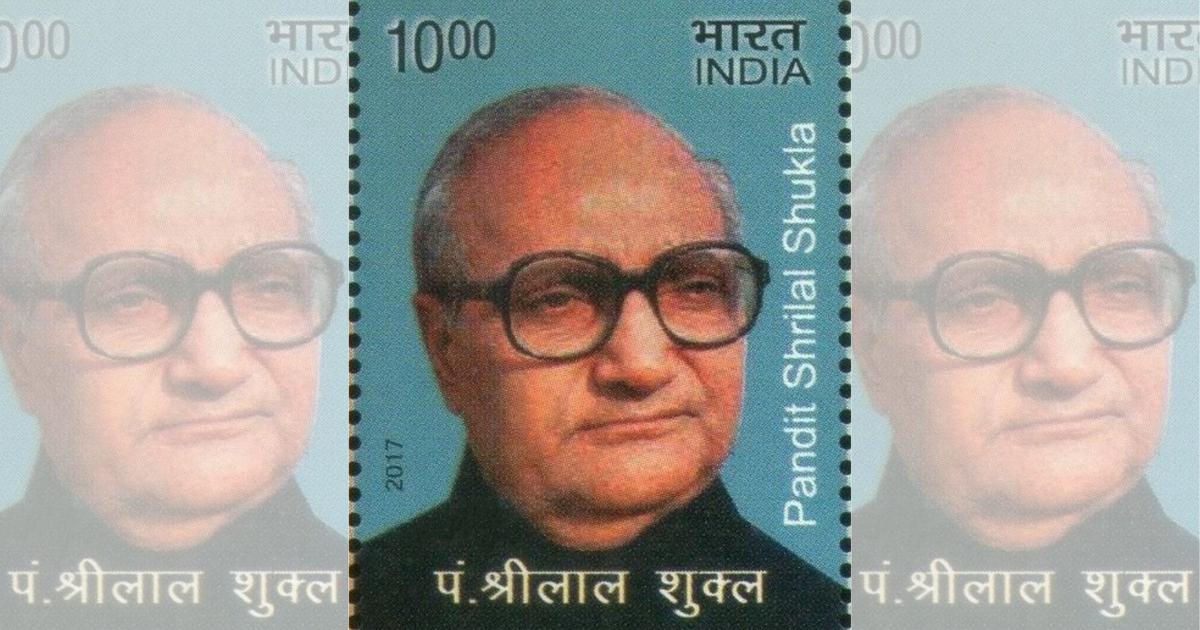
Raag Darbari, a work of Hindi fiction, creates an imaginary village of Shivpalganj in Uttar Pradesh, telling an important story of rural India, local politics and administration. The author Shrilal Shukla, who won the Sahitya Akademi Award for this novel, insisted in the early years after it was published that this was a work of fiction with scarce resemblance to reality. That his fiction mimics a village in rural India and its important local institutions – the college, the panchayat (village council), the cooperative – as well as statutory institutions such as the judiciary and police, among others, and the politics of the local elite that manages to not only subvert the developmental state and administration but make it a hub of clientelism, parochialism and corruption, is to say a truism.
The present image of the variegated Indian village and its local politics, administration and welfare is the drama whose multiple performances – past, putative and potential – point to the continued importance of Shukla’s Raag Darbari. We, a few scholars who wished to reflect on this novelistic exposition of the making of “modern” India, started this collective effort by asking a few questions. Today, more than five decades after Raag Darbari was first published...
from Scroll.in https://scroll.in/article/1094798/what-shrilal-shuklas-novel-raag-darbari-says-about-public-administration-development-politics?utm_source=rss&utm_medium=public https://sc0.blr1.cdn.digitaloceanspaces.com/article/211242-gwyvaasjxe-1767157867.jpeg
via



0 Comments